
Advocacy for renewable energy and sustainable development is one of the most urgent and transformative endeavors of our time. It seeks to shift societies away from dependence on fossil fuels, reduce environmental degradation, and promote long-term ecological balance. Positioned at the intersection of science, law, and policy, this field forms a dynamic part of business, economics and law, requiring cooperation among governments, industries, and civil society.
At its heart, advocacy for renewable energy and sustainable development draws upon principles established in environmental law, including key legislation such as climate change legislation and conservation laws. It also aligns with regulatory mechanisms like pollution control, ensuring that development strategies are both environmentally sound and legally compliant.
The success of advocacy efforts depends heavily on evidence-based frameworks from environmental engineering, particularly in areas such as environmental monitoring and data analysis and environmental policy and management. These technical tools support lawmaking and strengthen environmental governance by identifying risks, measuring progress, and enforcing regulations.
On the legal front, advocates must understand how environmental goals intersect with corporate law, including domains like compliance and regulatory adherence, contract negotiation, and mergers and acquisitions (M&A). Corporations are increasingly required to demonstrate alignment with sustainability practices through sound corporate governance and the protection of innovations in intellectual property.
International cooperation is also central to the advocacy landscape. Through global legal frameworks like environmental treaties, supported by broader fields such as international law, international relations, and trade regulations, countries commit to shared environmental goals. Challenges related to enforcement and fairness are often addressed through conflict resolution and arbitration or raised under human rights frameworks.
The historical context of environmental economic history shows how energy systems and regulatory philosophies have evolved. Financial strategies like tax compliance and planning and environmental subsidies are used alongside broader taxation and fiscal policy reforms to incentivize green innovation. Meanwhile, advancements in emerging technologies and their integration with information technology are creating new frontiers for clean energy and sustainable design.
Ultimately, advocacy for renewable energy and sustainable development is not merely aspirational—it is legal, technical, and political. It draws on systems thinking, cross-sectoral collaboration, and deep commitment to global equity and ecological resilience. Whether designing policies, shaping public opinion, or litigating in defense of nature, today’s advocates play a vital role in building a just and sustainable future.
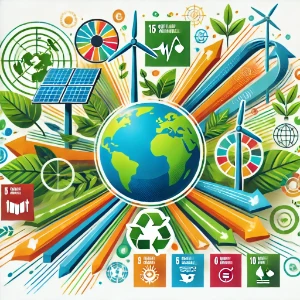
Legal Promotion of Clean Energy Transition and Sustainable Systems
Driving Transformative Change Through Renewable Advocacy
1. Mitigate Climate Change
Cuts greenhouse gas emissions by replacing fossil fuels with solar, wind, hydro, and geothermal infrastructure through legal reform and public policy.
2. Promote Economic Growth
Powers forward-thinking economies by driving green job creation, technological innovation, smart grid infrastructure, and national energy independence.
3. Enhance Social Equity
Addresses energy poverty through off-grid solar microgrids, community energy ownership, and inclusive policies that uplift marginalized populations.
4. Conserve Earth’s Resources
Establishes circular economy models, energy efficiency standards, and eco-labeling to transition from finite extraction to sustainable abundance.
At the heart of renewable energy advocacy lies a powerful desire to slow down the relentless advance of climate change. Fossil fuels, with their heavy carbon footprints, have long been the drivers of industrial growth—but also the engines of environmental destruction. Replacing coal, oil, and natural gas with renewable energy sources such as solar, wind, hydro, and geothermal helps cut greenhouse gas emissions dramatically. Every solar panel installed, every wind turbine erected, and every hydroelectric upgrade reduces our dependence on harmful fuels. Advocates champion the cause by influencing laws, promoting investment in clean energy infrastructure, and inspiring public awareness campaigns that stress the urgency of this transition. With each ton of CO2 avoided, the world takes a small but critical step toward a more stable climate.
The fight against climate change is no longer confined to scientific reports or international summits; it is lived in local communities, in schools, on rooftops, and in everyday conversations. Advocacy helps connect these diverse voices—scientists, farmers, students, entrepreneurs—into a coherent call for climate justice. Through community organizing, social media, public education, and direct policy engagement, renewable energy advocacy makes climate action feel less like an obligation and more like a shared purpose. It turns fear into agency and awareness into ambition.
Advocacy for renewables isn’t just about saving the planet—it’s also about powering a thriving, forward-thinking economy. The shift to renewable energy has become a fertile ground for innovation. New businesses are designing smarter batteries, building solar-powered homes, engineering offshore wind farms, and creating energy-efficient appliances that redefine what progress looks like. These industries are job creators: from installation technicians and engineers to policy analysts and data scientists, the green economy has room for all skill sets and aspirations. Moreover, renewables offer countries the chance to become more energy independent, reducing reliance on imported fossil fuels and shielding economies from volatile oil markets.
Access to clean, reliable, and affordable energy should not be a privilege reserved for a few—it should be a right extended to all. Unfortunately, energy poverty still affects millions worldwide, especially in remote or underdeveloped areas. Renewable energy advocacy tackles this disparity by championing decentralized solutions. Off-grid solar installations, micro-hydro systems, and wind microgrids can power schools, clinics, and homes in communities long ignored by traditional utilities. Renewable advocacy helps ensure that the energy revolution uplifts rather than excludes, bridging historical gaps in opportunity and representation.
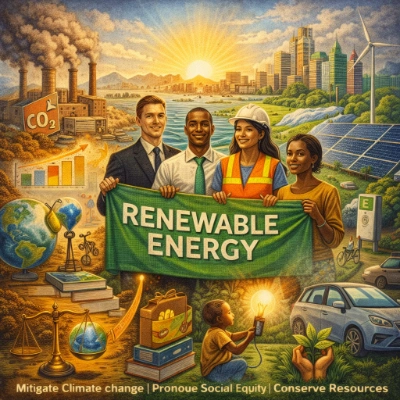
Instruments Driving Advocacy in Clean Energy Transformation
Energy Incentives: Unleashing Financial Power for Clean Innovation
- Concept: Energy incentives are policy tools used by governments and institutions to shift the economic balance toward sustainability. These include tax credits, feed-in tariffs, grants, and low-interest loans that reduce financial risk.
- Key Features Explained in Depth:
- Tax Credits: Investment tax credits directly offset corporate and individual income tax obligations upon qualifying clean energy installation.
- Feed-in Tariffs (FiTs): Statutory guarantees offering fixed, long-term premium rates for clean electricity fed back into national power grids.
- Grants and Loans: Direct financial capital for R&D startups, commercial scale-up, and municipal green infrastructure deployments.
- Illustrative Real-World Examples:
- The U.S. Investment Tax Credit (ITC) provides substantial federal tax credits for qualifying residential and commercial solar installations.
- India’s National Solar Mission combines capital subsidies with grid infrastructure expansion to scale solar capacity.
- Germany’s historic Feed-in Tariff program established early market certainty that built a world-leading renewable energy sector.
Green Building Codes: Rethinking How We Shape Our Cities
- Concept and Purpose: Statutory architecture and construction frameworks designed to minimize lifecycle energy consumption, carbon footprints, and material waste in urban environments.
- Core Principles Behind These Codes:
- Energy Efficiency Standards: Mandatory insulation thermal ratings, smart HVAC controls, LED integration, and passive solar design.
- Sustainable Materials: Prioritizing recycled content, low-embodied-carbon cement, mass timber, and non-toxic interior finishes.
- Urban Planning Integration: Transit-oriented development standards, urban heat island mitigation, and rainwater collection mandates.
- Living Examples That Inspire:
- LEED (Leadership in Energy and Environmental Design) serves as an internationally recognized green building standard.
- Singapore’s Green Mark Scheme incentivizes tropical sustainable architecture and building energy efficiency.
Circular Economy: A New Rhythm for Consumption and Creation
- Philosophy and Essence: Replaces traditional linear “take-make-waste” industrial processes with closed-loop systems that eliminate waste by design and maximize resource recovery.
- Guiding Pillars and Practices:
- Extended Producer Responsibility (EPR): Mandates that manufacturers take financial and operational responsibility for post-consumer waste management.
- Resource Recovery & Eco-Design: Standardizes product modularity to simplify repair, remanufacturing, and high-grade material recycling.
- Global Initiatives Leading the Way:
- The European Union’s Circular Economy Action Plan sets binding mandates across electronics, packaging, and textiles.
- The Netherlands’ statutory commitment to achieve a 100% circular economy by 2050.
Interactive Clean Energy Transition & Subsidy Calculator
Simulate how Feed-in Tariffs, Investment Tax Credits, and Carbon Pricing affect levelized energy costs (LCOE), grid adoption timelines, and regional carbon abatement goals.
Clean Energy Economics & Policy Incentive Engine
Advocacy in Action: Transforming Energy and Agriculture
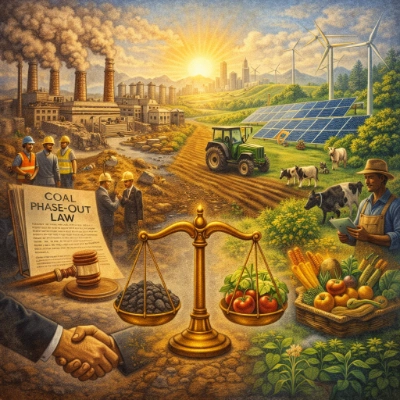
Replacing Coal with Cleaner Alternatives Through Legal Reform
- The Heart of the Matter: Legislative coal phase-out mandates establish binding statutory closure schedules while providing legal frameworks for clean power replacement.
- How It Unfolds in Practice:
- Enacting statutory deadlines that decommission coal generation assets and mandate grid capacity replacement with renewables.
- Creating “Just Transition” legislative funds to retrain affected fossil fuel workers and reinvest in coal-dependent regional economies.
- Imposing escalating carbon pricing penalties on high-emission thermal combustion facilities.
- Stories from the Real World:
- Germany’s Coal Exit Law established a binding statutory framework to decommission coal-fired power plants by 2038 at the latest.
- South Korea’s Renewable Energy 3020 policy targets 20% clean power generation by 2030 through aggressive solar and offshore wind deployment.
Greening Agriculture to Heal the Land and Lower Emissions
- Soul of the Approach: Reforming agricultural policy to convert land management from a carbon source into a regenerative carbon sink.
- Pathways Toward a Healthier Harvest:
- Regenerative farming incentives that eliminate synthetic nitrogen runoff and build soil organic carbon.
- Agroforestry statutory integration blending crop cultivation with tree canopy carbon sequestration.
- Precision agricultural technology deployment lowering fuel and fertilizer intensity per harvest yield.
Interactive Review Questions: Advocacy & Policy Mechanics
Test your conceptual understanding of clean energy policy instruments and advocacy mechanisms using the collapsible review toggles below.
How do Feed-in Tariffs (FiTs) de-risk private investment in renewable energy?
What is the primary objective of United Nations Sustainable Development Goal 7 (SDG 7)?
How does Extended Producer Responsibility (EPR) support a circular economy?
Why is green hydrogen essential for deep decarbonization of heavy industry?
Stories That Illuminate What Advocacy Can Achieve
Germany’s Energiewende: Turning Wind Into Progress
Germany’s Energiewende represents a comprehensive national legal strategy to shift from thermal fossil fuels and nuclear power to a high-penetration renewable energy grid, demonstrating that advanced industrial economies can decouple GDP growth from carbon emissions.
The Global Promise of United Nations SDG 7
SDG 7 provides a universal policy benchmark, mobilizing international development capital, off-grid solar microgrid deployment, and clean cooking technology access across developing economies.
New Directions Shaping Renewable Advocacy Efforts
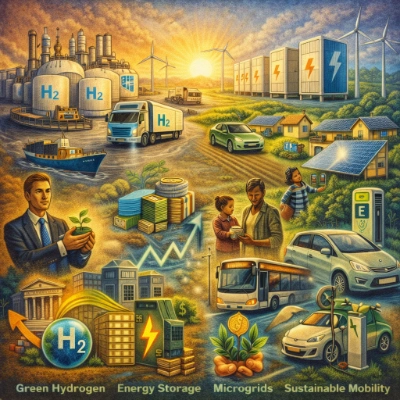
- Green Hydrogen: Fueling the Unreachable Frontiers: Scaling renewable electrolysis capacity to decarbonize heavy manufacturing, chemical production, and maritime shipping.
- Energy Storage Innovations: Capturing the Sun’s Memory: Utility-scale battery energy storage systems (BESS), thermal storage, and pumped hydro stabilizing variable solar and wind supply.
- Decentralized Microgrids: Solar microgrid systems empowering remote rural areas with autonomous clean electricity independent of legacy utility grids.
- Climate Finance & Green Bonds: Directing institutional capital into certified green bond issuances, ESG portfolios, and carbon offset markets.
- Sustainable Mobility & EV Transition: Statutory zero-emission vehicle mandates and public transit electrification transforming urban transport.
Barriers That Slow the March Toward Sustainability
- Implementation Deficits & Permitting Bottlenecks: Bureaucratic friction and protracted transmission line permitting delays clean energy interconnection.
- Capital Constraints in Developing Markets: High initial capital expenditures for clean energy infrastructure require concessional financing.
- Critical Mineral Supply Chains: Geopolitical risks surrounding cobalt, lithium, and rare earth elements needed for clean technologies.
Opening New Pathways Through Advocacy and Sustainability
Studying renewable advocacy equips future leaders to integrate legal frameworks, environmental science, and policy communications to drive system-level sustainability solutions.

Frequently Asked Questions – Renewable Energy & Sustainability Advocacy
What is renewable energy advocacy in simple terms?
Renewable energy advocacy involves policy campaigns, public education, and legal strategy designed to accelerate the societal transition from fossil fuels to clean power like solar, wind, and geothermal energy.
How do energy incentives accelerate clean energy transitions?
By providing tax credits, grants, and guaranteed tariffs, energy incentives lower capital costs, improve project returns, and attract private investment to clean energy developments.
What is the role of green building codes in urban sustainability?
Green building codes mandate energy efficiency standards, sustainable construction materials, and passive cooling/heating designs to reduce structural operational emissions.
Why are microgrids important for rural energy access?
Microgrids generate localized power using solar or wind systems independently of main power grids, delivering electricity to remote or underserved communities.
How does climate finance support sustainable development?
Climate finance channels international capital, green bonds, and subsidies toward renewable energy projects and climate adaptation infrastructure in vulnerable regions.
Is Renewable Energy Advocacy Right For You?
Explore policy, legal, and engineering career pathways before choosing your university degree.
Comprehensive Practice Module & Review Suite
Foundational Concept Review Questions
- Define renewable energy advocacy and state its core objective.
Answer: Renewable energy advocacy is the strategic effort by civil society, lawyers, and policy experts to shape legislation, public opinion, and market incentives to transition energy systems from fossil fuels to sustainable, low-carbon power sources. - What are Feed-in Tariffs (FiTs)?
Answer: Policy mechanisms guaranteeing clean energy producers long-term, fixed-rate payments for electricity fed into the national grid, reducing financial investment risk. - State the core objective of United Nations SDG 7.
Answer: To ensure access to affordable, reliable, sustainable, and modern energy for all by 2030. - Explain Extended Producer Responsibility (EPR).
Answer: A regulatory approach placing environmental and financial responsibility on manufacturers for the post-consumer treatment and recycling of their products. - What distinguishes green hydrogen from grey hydrogen?
Answer: Green hydrogen is produced by electrolyzing water using 100% renewable electricity (zero emissions), whereas grey hydrogen is extracted from natural gas via steam methane reforming, releasing substantial CO2. - Define an Investment Tax Credit (ITC).
Answer: A tax incentive allowing clean energy project developers to deduct a percentage of installation capital costs directly from their tax liability. - What is a microgrid?
Answer: A localized group of electricity sources and loads that can operate connected to the main grid or independently in “island” mode, ideal for remote community access. - How do green building codes improve energy efficiency?
Answer: By mandating high-performance insulation, smart HVAC systems, LED lighting, and passive solar architectural design standards.
Analytical & Thought-Provoking Questions
- How does behavioral economics inform clean energy adoption policy?
Answer: Behavioral economics identifies consumer status quo bias and loss aversion. Policies framing green tariffs as default options or highlighting peer adoption norms significantly increase clean power subscription rates compared to simple price signals. - Evaluate the economic trade-offs between capital subsidies and performance-based Feed-in Tariffs.
Answer: Capital subsidies lower upfront equipment purchase barriers but do not guarantee long-term operational performance. Performance-based FiTs incentivize continuous maximum energy production over decades, though they require stable grid purchasing frameworks. - Why is green hydrogen critical for deep decarbonization of hard-to-abate sectors?
Answer: Heavy industries like steel, cement, and long-haul shipping require intense chemical heat or energy density that lithium-ion batteries cannot efficiently supply. Green hydrogen provides a high-density, zero-emission fuel substitute. - Analyze the geopolitical risks associated with the global clean energy transition.
Answer: Shifting from fossil fuels to renewables reduces oil dependency but creates new supply chain vulnerabilities concentrated around critical minerals like lithium, cobalt, nickel, and rare earths required for batteries and wind turbines. - How do green bonds facilitate large-scale capital deployment for clean infrastructure?
Answer: Green bonds pool institutional capital by issuing debt earmarked strictly for certified climate and environmental projects, offering fixed returns while enabling institutional funds to satisfy ESG mandates. - Explain how decentralized solar microgrids foster social equity in rural communities.
Answer: Off-grid microgrids eliminate dependence on costly utility transmission extensions, powering local schools, healthcare clinics, and small businesses while keeping power generation revenues within the local community. - Discuss the concept of a ‘Just Transition’ in coal phase-out policy.
Answer: A Just Transition ensures that workers and communities dependent on legacy fossil fuel industries receive targeted retraining, economic diversification funding, pension protections, and clean energy job priority during legislative closures.
Quantitative & Mathematical Calculations
- A commercial solar farm requires an initial capital investment of $4,500,000. Under an Investment Tax Credit (ITC) statute, the project qualifies for a 30% tax credit. Calculate the net capital cost after the tax incentive.
Answer:Tax Credit Value = $4,500,000 × 0.30 = $1,350,000.
Net Capital Cost = $4,500,000 – $1,350,000 = $3,150,000. - A wind energy installation produces 12,000 megawatt-hours (MWh) of electricity per year. Under a Feed-in Tariff (FiT) contract, the power utility pays $0.09 per kilowatt-hour (kWh). Calculate the annual revenue generated.
Answer:Convert MWh to kWh: 12,000 MWh × 1,000 kWh/MWh = 12,000,000 kWh.
Annual Revenue = 12,000,000 kWh × $0.09/kWh = $1,080,000 per year. - Replacing coal combustion with solar generation avoids 0.95 kg of CO2 emissions per kWh generated. A municipal solar initiative generates 50 gigawatt-hours (GWh) annually. Calculate the total annual metric tonnes of CO2 avoided.
Answer:Convert GWh to kWh: 50 GWh × 1,000,000 kWh/GWh = 50,000,000 kWh.
Total CO2 Avoided (kg) = 50,000,000 kWh × 0.95 kg/kWh = 47,500,000 kg.
Convert kg to Metric Tonnes: 47,500,000 kg / 1,000 kg/tonne = 47,500 metric tonnes CO2. - A green building code retrofit reduces an office building’s annual energy consumption from 850,000 kWh to 510,000 kWh. Electricity costs $0.15 per kWh. Calculate the annual operational cost savings.
Answer:Energy Saved = 850,000 kWh – 510,000 kWh = 340,000 kWh/year.
Annual Cost Savings = 340,000 kWh × $0.15/kWh = $51,000 per year. - An electrolyzer plant powered by a dedicated wind farm produces 500 tonnes of green hydrogen annually. Production costs are $4.20 per kg. A national clean fuel subsidy provides $1.50 per kg. Calculate the net production cost per tonne after the subsidy.
Answer:Net Cost per kg = $4.20 – $1.50 = $2.70 per kg.
Convert kg to Tonne: 1 Tonne = 1,000 kg.
Net Production Cost per Tonne = $2.70/kg × 1,000 kg = $2,700 per tonne. - A rural village microgrid installs 120 solar panels rated at 400 Watts each. Assuming an average of 5 peak sun hours per day, calculate the annual energy output in megawatt-hours (MWh).
Answer:Total Capacity = 120 panels × 400 W = 48,000 W = 48 kW.
Daily Energy Output = 48 kW × 5 hours/day = 240 kWh/day.
Annual Output = 240 kWh/day × 365 days = 87,600 kWh = 87.6 MWh. - A municipality issues a $15,000,000 green bond at an annual coupon rate of 4.5% over a 10-year term to finance citywide building energy retrofits. Calculate the total interest paid over the lifecycle of the bond.
Answer:Annual Interest Payment = $15,000,000 × 0.045 = $675,000 per year.
Total Interest Paid over 10 Years = $675,000/year × 10 years = $6,750,000.